



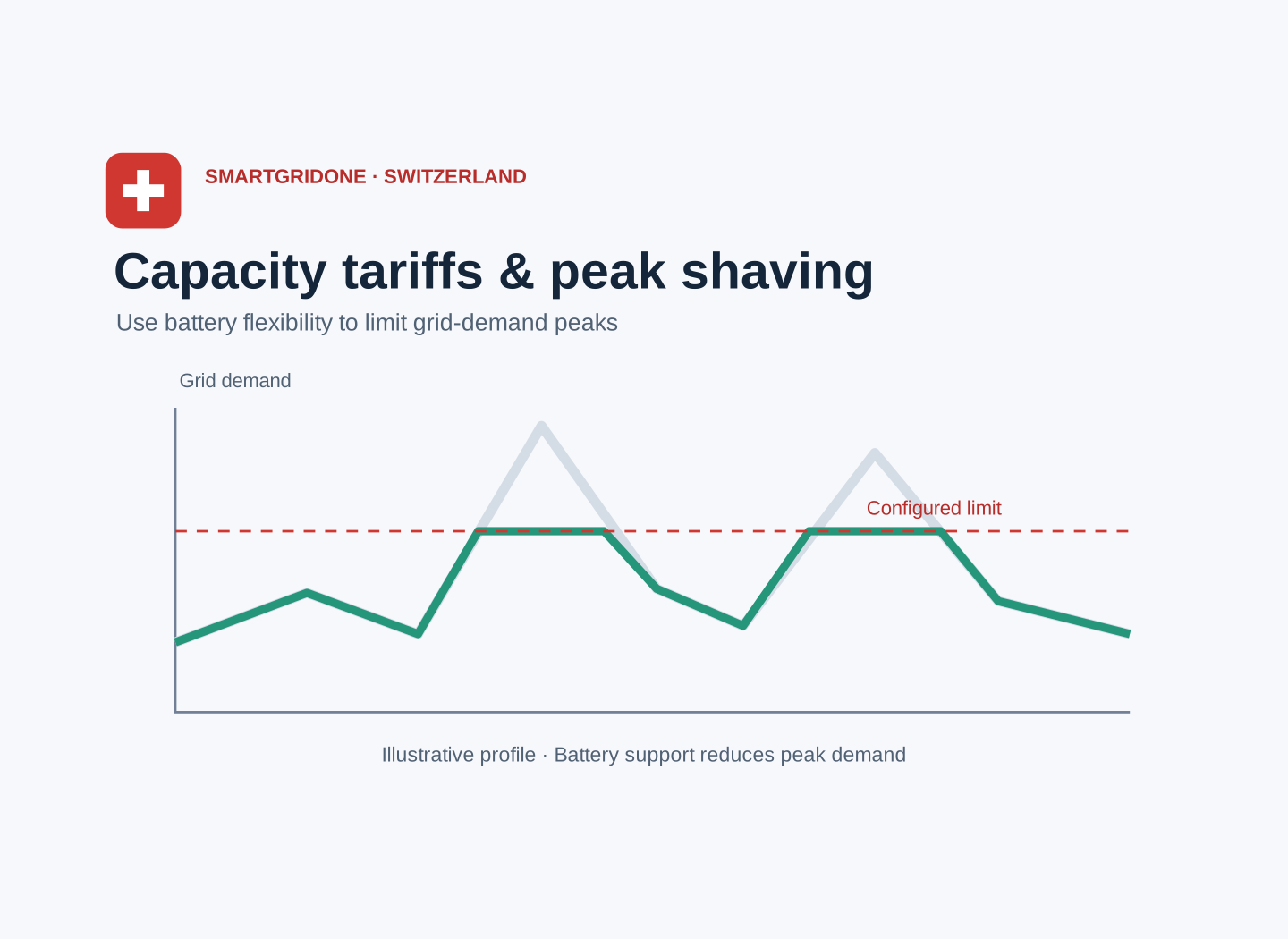
With a capacity tariff, a short demand peak can affect the grid-cost component of the bill. SmartgridOne monitors the grid connection and coordinates batteries and controllable loads to stay closer to a configured power limit.
This video shows how SmartgridOne coordinates batteries and flexible loads to limit avoidable power peaks. The complete explanation is available directly in the embedded player below.
A capacity tariff links part of the electricity bill to the highest power drawn from the grid during a defined measurement period. A site may consume a reasonable amount of energy over a month and still incur avoidable costs when several large loads run at the same time. EV charging, heat pumps, industrial equipment and an empty battery can together create a short but expensive peak.
The exact tariff formula and measurement interval depend on the electricity supplier, distribution grid operator and contract. That is why a peak-shaving project should start with the applicable tariff rules, historical measurements and the site's operational requirements.
SmartgridOne continuously monitors the grid connection and compares the measured power with a configured limit. When demand approaches that limit, the EMS can coordinate compatible assets according to clear priorities. A battery may discharge, an EV charger may temporarily reduce its charging power, or another flexible load may be shifted to a quieter moment.
This is more than a simple on/off rule. The control strategy must preserve battery reserve, user comfort, production schedules and device limits. SmartgridOne provides one vendor-independent control layer for compatible batteries, charging stations, heat pumps, solar inverters and meters, allowing the installer to configure these priorities centrally.
The same SmartgridOne installation can also improve self-consumption, respond to dynamic electricity prices and prepare a site for grid-control signals. Those objectives should not compete blindly. Grid requirements, safety limits and the site's operational needs must always take priority over cost optimisation.
For a reliable result, start with the applicable Swiss tariff and the technical requirements of the local DSO. Then verify supported devices, agree on the control priorities with the customer and complete a full commissioning test before handover.


.svg)
.svg)
.svg)

.svg)

.svg)


