



SmartgridOne connects a Swiss energy installation to VGT Energy for remote control and grid-aware operation. The embedded walkthrough below explains the signal path, the required configuration and the checks an installer should complete before handover.

The video below shows how SmartgridOne is connected to VGT Energy for an SDL project in Switzerland. You can follow the complete flow directly on this page, from the external control request to the response of the local installation.
An energy installation no longer operates only according to local self-consumption. Depending on the project, an external service provider or grid-related process may also need to send a verified power setpoint or operating command. SmartgridOne provides the local orchestration layer between that external instruction and the compatible assets on site.
The controller receives the command, checks it against the configured limits and translates it into coordinated actions for the battery, inverter or other flexible equipment. Measurements and device status remain available for monitoring, so the installer and operator can verify whether the requested behaviour was actually achieved.
External control does not mean that all local intelligence disappears. When no higher-priority command is active, SmartgridOne can still optimise self-consumption, manage a battery, coordinate charging stations and react to an energy contract. The priority structure must be agreed in advance: safety and mandatory grid or service commands take precedence, followed by the customer's economic objectives.
Because every site and contract is different, the installer should verify the current VGT, DSO and metering requirements before commissioning. Device compatibility must also be checked for the exact model and firmware used in the project.
Open the VGT Energy setup guide →
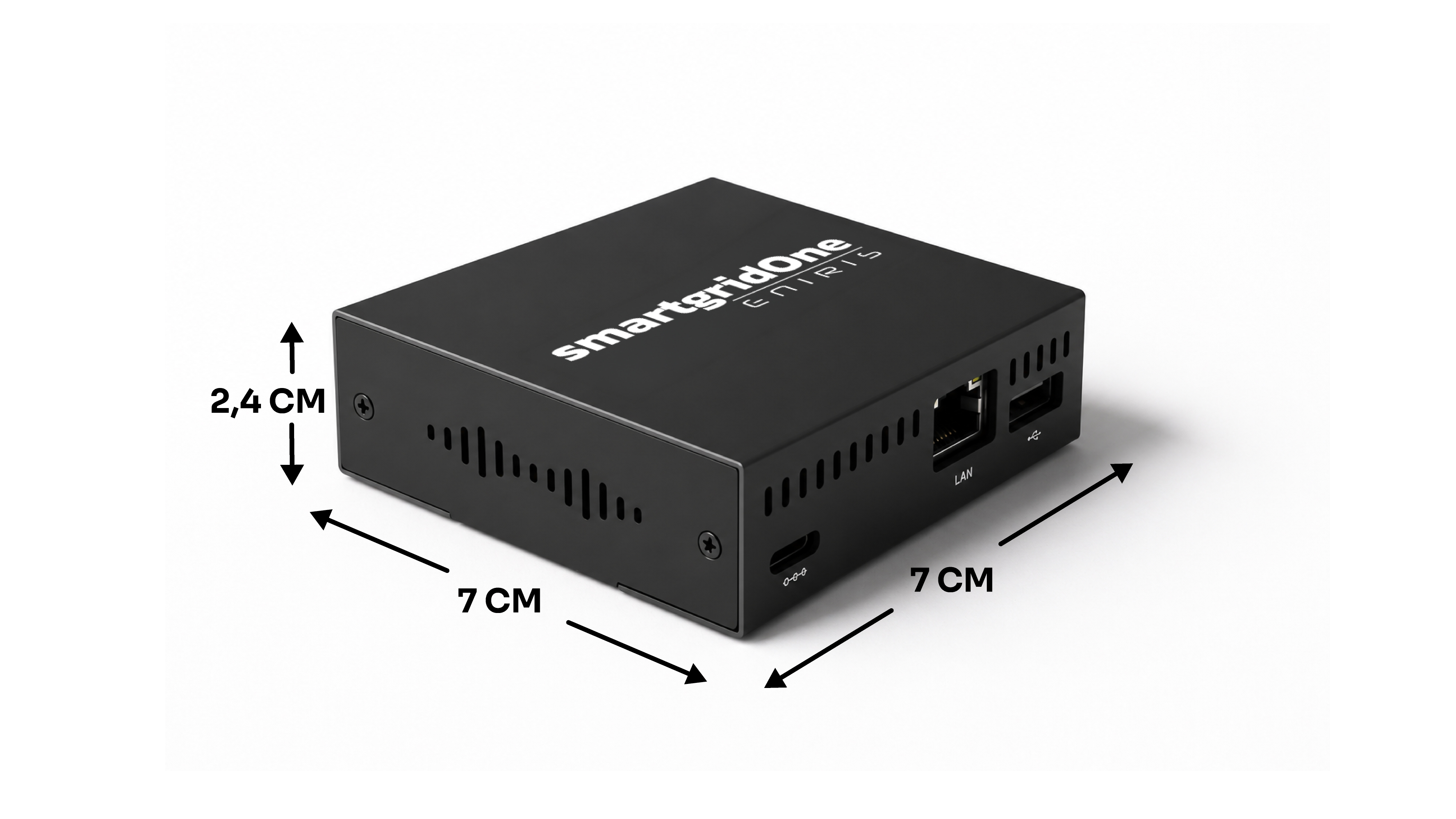
Check supported devices → Review the controller specifications →
Is the project driven directly by the local grid operator? Continue with the Swiss DSO control guide →



.svg)
.svg)
.svg)

.svg)

.svg)


